

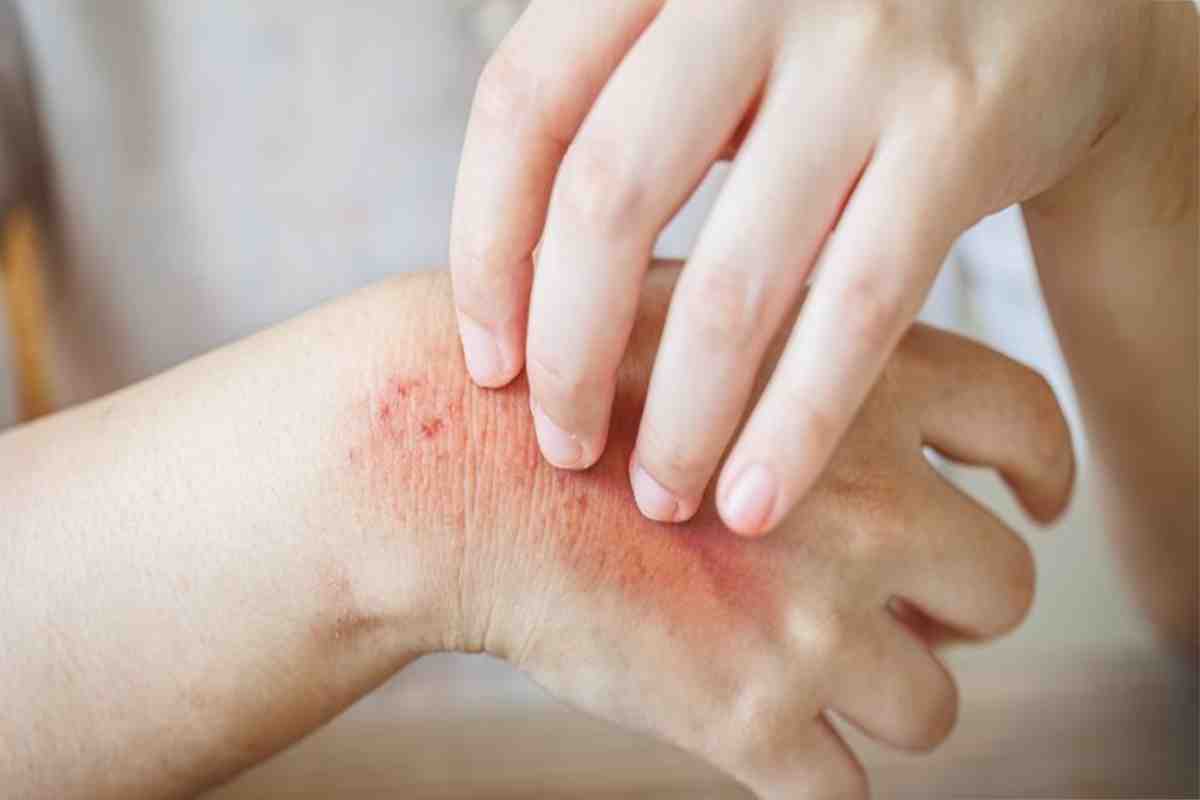
Skin conditions like eczema, acne, psoriasis, and recurring rashes often feel frustrating because they tend to flare up again and again, even after using creams or medications. In Traditional Chinese Medicine (TCM), these conditions are not seen as isolated skin problems. Instead, they are understood as outward signs of internal imbalance involving digestion, immune response, circulation, and stress levels.
Rather than focusing only on surface symptoms, Chinese herbal medicine works from the inside out, aiming to support the body’s natural balance and promote long-term skin health.
In clinical practice, herbal therapy is often combined with Chinese medicine and acupuncture to help regulate internal systems more effectively. This integrative approach is commonly used in holistic treatment settings, including clinics such as Village Remedies in Balmain and Sydney CBD.
Skin Conditions Commonly Supported by Chinese Herbal Medicine
In TCM, skin disorders are assessed based on individual patterns of imbalance rather than just visible symptoms. Two people with the same skin condition may receive very different treatments depending on their internal presentation. Chinese herbal medicine is commonly used to support individuals experiencing:
- Eczema (atopic dermatitis): herbal formulations may help reduce chronic itching, inflammation, and immune overreaction.
- Acne: treatment often focuses on clearing internal heat, improving digestion, and supporting hormonal balance.
- Psoriasis: herbal strategies may aim to cool the blood and moderate inflammation linked to immune activity.
- Rosacea and facial redness: herbs are selected to regulate circulation and calm excess heat in the body.
- Hives and persistent rashes: treatment may support immune regulation and skin repair processes.
Herbal therapy is frequently paired with acupuncture treatment to enhance circulation, calm the nervous system, and support overall treatment outcomes.
How Chinese Herbal Medicine Supports Skin Health
Unlike Western dermatological approaches that often focus on symptom suppression, Chinese herbal medicine emphasises personalised treatment based on internal patterns such as heat, dampness, blood deficiency, or stagnation. These patterns are believed to influence how the skin reacts over time.
Depending on the individual presentation, herbal prescriptions may support skin health by:
- Clearing internal heat or dampness commonly associated with inflammatory skin flare-ups
- Supporting liver and digestive function, which play a key role in detoxification and hormonal balance
- Regulating stress-related triggers by supporting nervous system function
- Reducing chronic inflammation, redness, and persistent itching
By addressing these internal factors together, herbal medicine aims to reduce both the frequency and intensity of skin flare-ups rather than providing only short-term relief.
In some treatment plans, complementary therapies such as services of dry needling in Sydney or acupuncture may also be incorporated to address muscular tension and stress-related contributors that can worsen skin symptoms.
What a Herbal Skin Treatment Plan Typically Involves
Treatment usually begins with a comprehensive consultation that considers skin symptoms alongside digestion, sleep quality, stress levels, energy, and overall health history. This holistic assessment helps identify the underlying pattern contributing to the skin condition.
Based on this evaluation, a customised herbal formula may be prescribed in tea, powder, or capsule form. Dietary guidance and lifestyle recommendations are often included to support treatment outcomes.
While some individuals notice early improvements, chronic or long-standing skin conditions typically require consistent treatment and regular reassessment. Herbal prescriptions are adjusted over time as the body responds. Integrating care with services such as acupuncture in Sydney and Balmain is common within holistic treatment plans.
Safety and Professional Considerations
Chinese herbal medicine is considered safe when prescribed by a qualified practitioner who is trained in both diagnosis and formulation. Self-prescribing is discouraged, as similar skin symptoms may arise from different internal imbalances and require specific treatment strategies.
Working with a registered practitioner ensures herbal formulas are appropriate, monitored, and adjusted as needed.
Conclusion
Chinese herbal medicine offers a holistic framework for supporting skin health by focusing on internal balance rather than surface-level symptom control alone. When combined with therapies such as the services of acupuncture in Bondi or fertility acupuncture in Sydney, this approach may also contribute to broader wellbeing by supporting stress regulation, immune balance, and hormonal health.
Integrated TCM clinics such as Village Remedies apply these principles through personalised and professionally guided care, helping individuals manage chronic skin concerns with a long-term, whole-body perspective.