

Difficult days come in all shapes and sizes. Someone might be experiencing a loss, suffering from an illness or recovering from estrangement or a bad breakup. When loving someone through difficult days, you often just want to be supportive. And you may not realize that it’s not always a big, showy gift or display that makes the real difference. Quite often, the small comforts bring reminders that they’re not alone and that they can, in fact, get through this.
Provide Nourishment
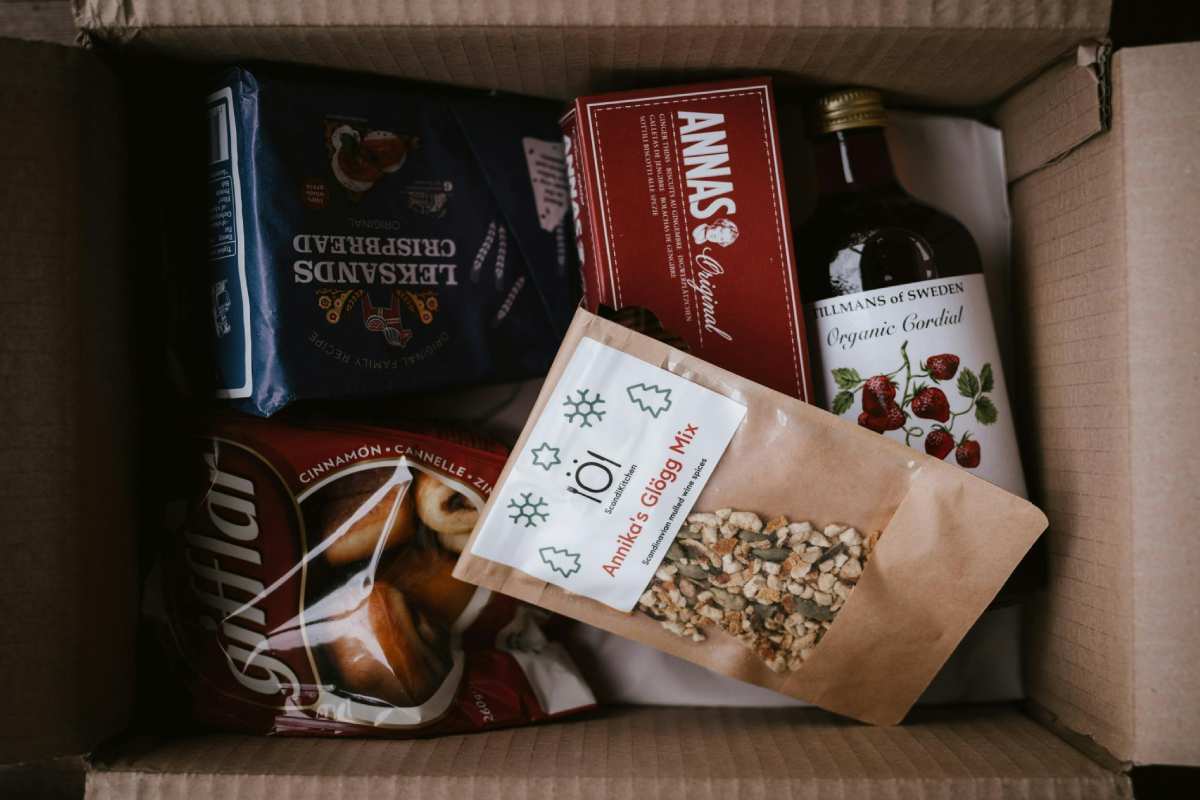
Food is the time-honored gift you can bring or send pretty much anyone in pretty much any situation. There’s something genuinely healing and comforting about a warm dish or a sweet treat that makes people feel uplifted, even if only for a moment. Many casseroles, soups and pasta dishes are packed with vegetables, herbs and spices that are good for the body. And most of those meals are also nostalgic foods from childhood that heal at a psychological level as well.
If you live near your loved one, you can prepare a dish you know they like. This meal could be anything from a traditional one from their culture to a classic like macaroni and cheese. If you’re especially close, you may even go to the person’s house and make the meal in their kitchen. This offers the added comfort of companionship during a particularly dark time. If you live far away, you can opt to send a dish or soup as a sympathy care package from a trusted delivery service.
Run Errands
Of course, support doesn’t stop at the fork and plate. One of the hardest things for people struggling with grief or an illness to deal with is all the little “to-dos.” The average person has to run to the Post Office, grab food from the store, take the dog for a walk and fill the car up with gas in any given week. On an average week, none of these trivial errands is a big deal. But during dark days, each one can feel impossible.
You can provide enormous support for your loved one by offering to manage one or all of their errands for a week or longer. Ask for a list of “things to do” and then let them know which ones you can tackle. This assistance can lift a huge weight from their shoulders and allow them to recover with a clear conscience. Meanwhile, it might be a simple matter of picking up an extra few items at a store you’re already going to.
Help with Household Chores
Another challenging task when times are tough is housecleaning. The majority of people pick up here and there, staying on top of household chores throughout the week. Then, every once in a while, they’ll do a big, thorough job that includes windows, toilets and other less appealing tasks. But when someone isn’t feeling well, for whatever reason, housework tends to get forgotten. Before you know it, there’s a mountain of chores and no one to do them.
As a friend or loved one who lives near, you can pop in every few days to check in and get some housework done while you’re there. Run the vacuum, open the windows and throw some dishes in the dishwasher. If you have the time and the energy, you could change the sheets on the bed. For bigger tasks, you might even hire a cleaning service. A clean house can help someone who’s feeling down perk up and get back into the world sooner rather than later.
Offer Childcare
For parents, the hardest part of going through a difficult time is continuing to keep their children happy and healthy. They may feel like they barely have the energy to care for themselves, much less cook and clean for kids and drive them around. This neglect can leave kids having to fend for themselves or suffer without concentrated parental guidance and supervision. It’s obviously not the fault of the person in grief or recovery, but something has to be done.
This is where you can come in. If you’re a family member or close friend who has been trusted with the kids in the past, you can help out. Offer to drive the kids to school or extracurriculars. Take the children out for a movie or a day in the park. You might even have them over at your house for a night or a weekend to give mom or dad a break. Taking the initiative in this way can help both the kids and your loved one get the time and attention they need.
Just Be Present
Then, of course, one of the most powerful ways you can show up for your loved one during a hard time is to do just that: show up. Being present for someone can feel awkward and difficult. You might not know what to do or say, but just being there can make all the difference. Recovering from an injury, healing after a loss, and sitting in grief can all feel isolating and lonely. Even someone who says they want to be alone might need companionship.
It’s a small gesture, but it can have a huge impact just to call, text or ring the doorbell. Follow your loved one’s cues, and only stay on the phone or in their house as long as they feel comfortable. But then don’t be afraid to come back or call again. You can even invite them for a coffee or a walk in the park to shake up a dreary routine of loneliness in a dark house. Every gesture you can offer that reaches out can help keep your loved one rooted in healing and making progress.
In the end, it’s the small things that can help someone suffering move through their pain and into the future. Only you can know which small gestures are best to make for your particular loved one, but the key is to keep making them. Even the most uncooperative friend or family member can’t help but appreciate a text with a kind word, a card with a dozen cookies, or a grocery pickup. Don’t give up, and, in most cases, neither will they.
Also Read: Editing Beauty Photos Without Overdoing It: A Natural Retouch Workflow